
Most common ICs used in large scal projects?
Integrated Circuits in Large-Scale LED Lighting #
In the technical landscape of large-scale lighting, an Integrated Circuit (IC) serves as the internal brain of an LED, translating data into specific color and brightness commands for every individual chip. While dozens of protocols exist, high-end professional installations typically rely on three primary families of ICs: WS, TM, and APA.
The Current Industry Standards #
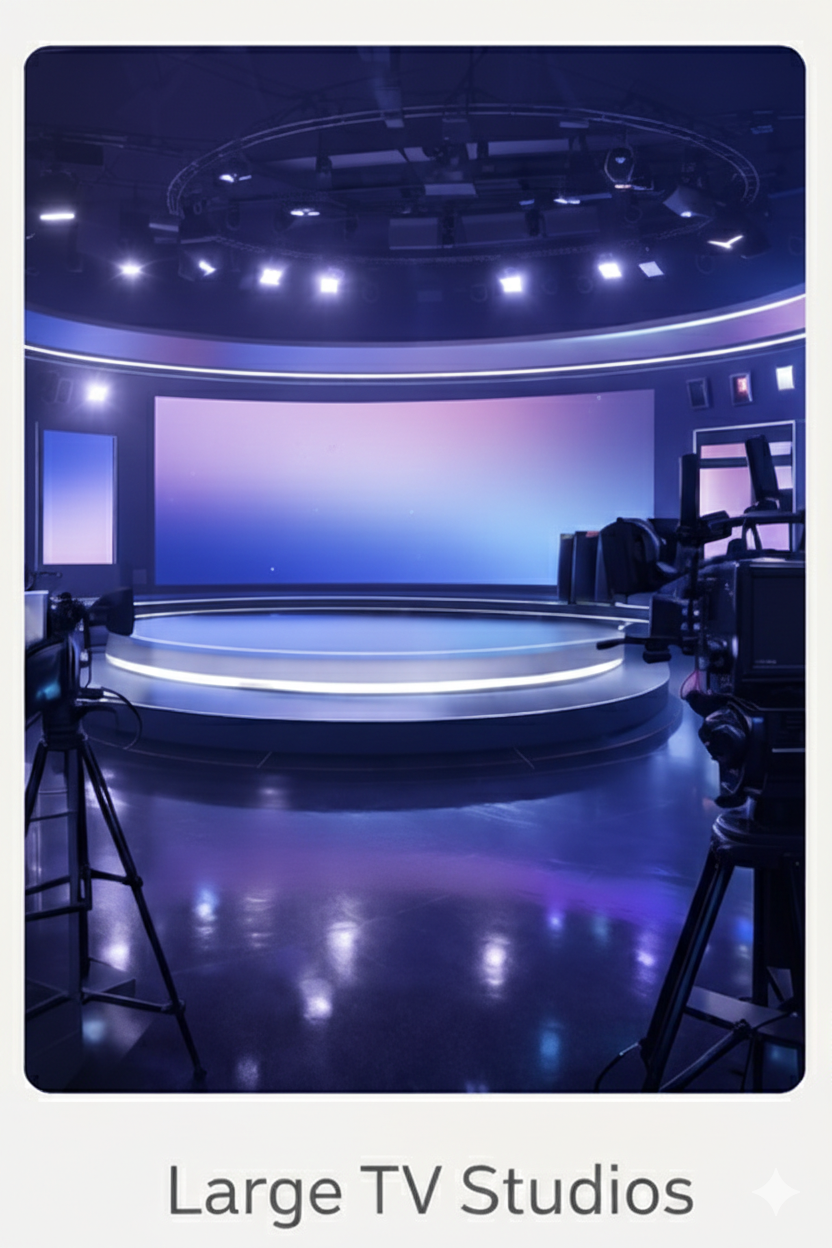
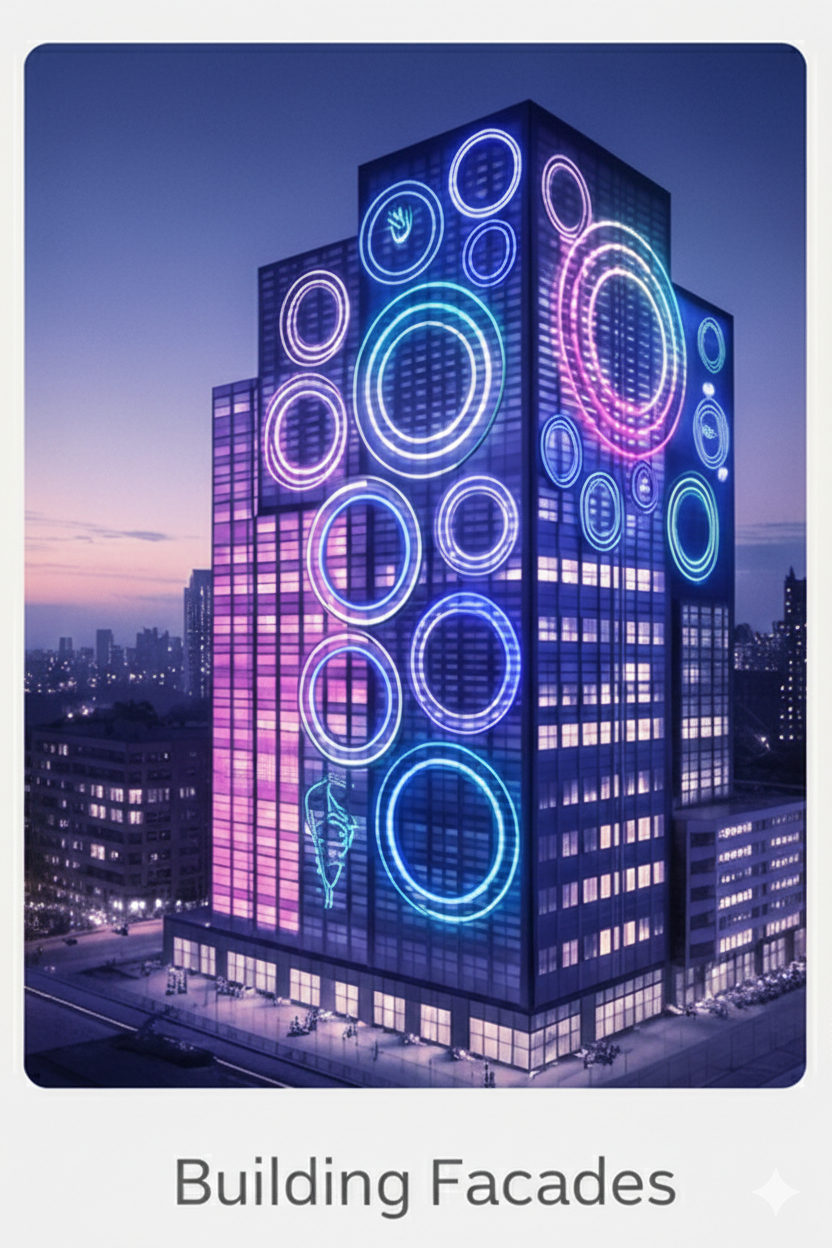
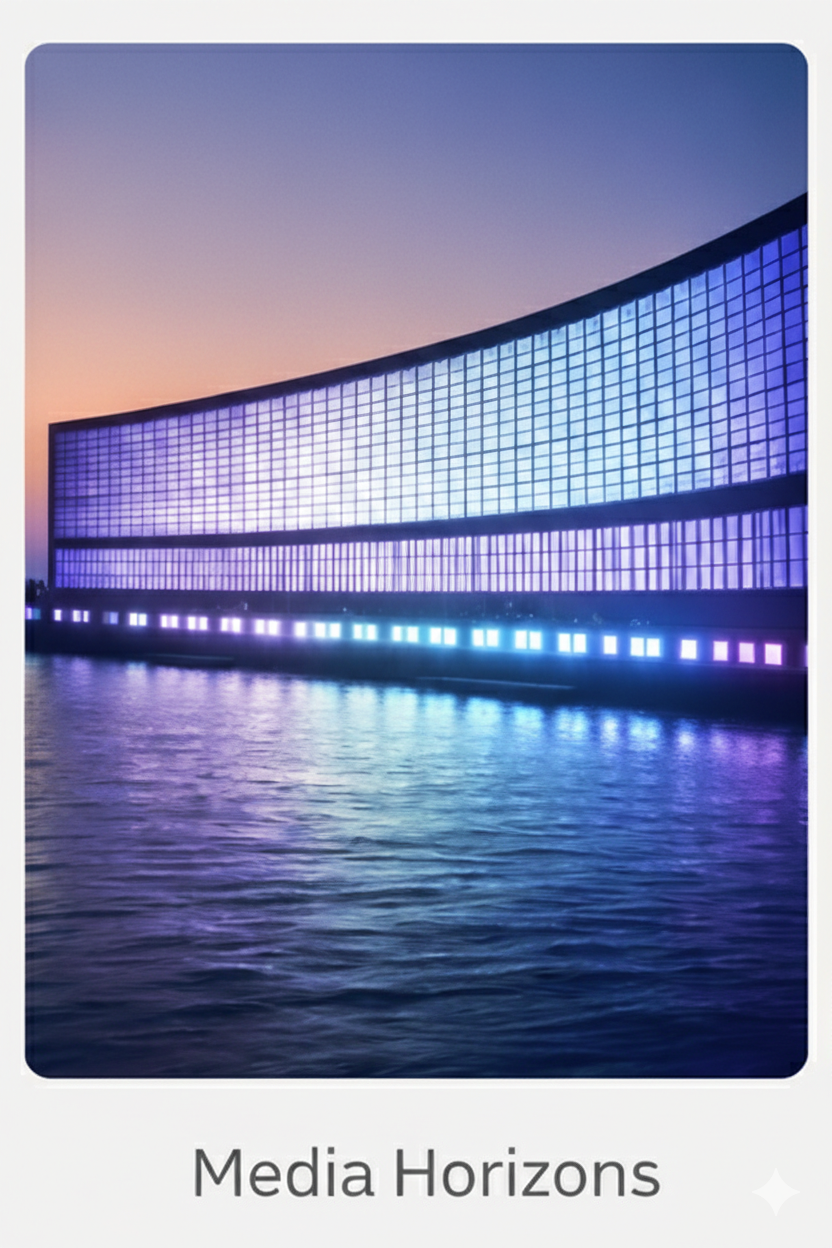
For massive projects—such as building facades, media horizons, or large TV studios—the following ICs are the most frequently deployed due to their specific technical advantages in reliability and power management.
WS2815 — The 12V Professional Workhorse #
This protocol from World Semi is currently one of the most widely used types in the industry. Its dominance in large-scale projects is due to two critical features:
-
Native 12V Operation
High-voltage operation makes the strip significantly more resilient to voltage drop, allowing for longer segments and fewer power injection points compared to 5V alternatives. -
Data Redundancy
It features a backup data line; if a single pixel is damaged, the signal continues to the rest of the chain, preventing a total blackout.
TM1809 — The High-Density Multi-Output #
Developed by Titan Micro Electronics, this is regarded as one of the most popular addressable chips globally. It is unique because a single IC can control three individual RGB pixels, which simplifies wiring and layout density in complex installations.
SK6812 — The Quality RGBW Leader #
Produced by OPSCO, this is one of the most common protocols for displays requiring a dedicated white channel. It is favored for architectural and retail projects where high-quality white light and accurate pastels are necessary.
APA102 — The High-Speed “Superled” #
Designed by APA Electronic Co., this is the standard for high-performance displays. Unlike data-only protocols, it is clocked, meaning it uses an extra wire to assist data transmission. This allows for extreme refresh rates and smooth animations suitable for high-speed filming.
Specialized ICs for Extreme Scale #
When projects reach kilometers in length or require specialized power distribution, designers often look toward high-voltage or high-resolution specific ICs.
| IC Type | Producer | Key Feature for Large Projects |
|---|---|---|
| TM1814 | Titan Micro | Supports up to 32V for extreme cable runs and RGBW mixing. |
| UCS2903 | Lianxinke | Constant current design for high stability across thousands of pixels. |
| WS2812B | World Semi | The common industry staple for budget-conscious but large decorative arrays. |
| UCS8904 | Lianxinke | Features 16-bit color resolution for ultra-smooth dimming in high-resolution projects. |
Technical Selection Factors #
The choice of IC for a project is typically determined by the environment and visual requirements. Large-scale installations generally prioritize 12V or 24V protocols (like WS2815 or UCS2903) to minimize the electrical complexity of power distribution.
For broadcast environments, chips with a high PWM (Pulse Width Modulation) rate—such as:
- TM1829 — 7000 Hz
- GS8208 — 8000 Hz
are essential to ensure the LEDs do not flicker when captured by professional cameras.


