One Output. Pixels or DMX512.
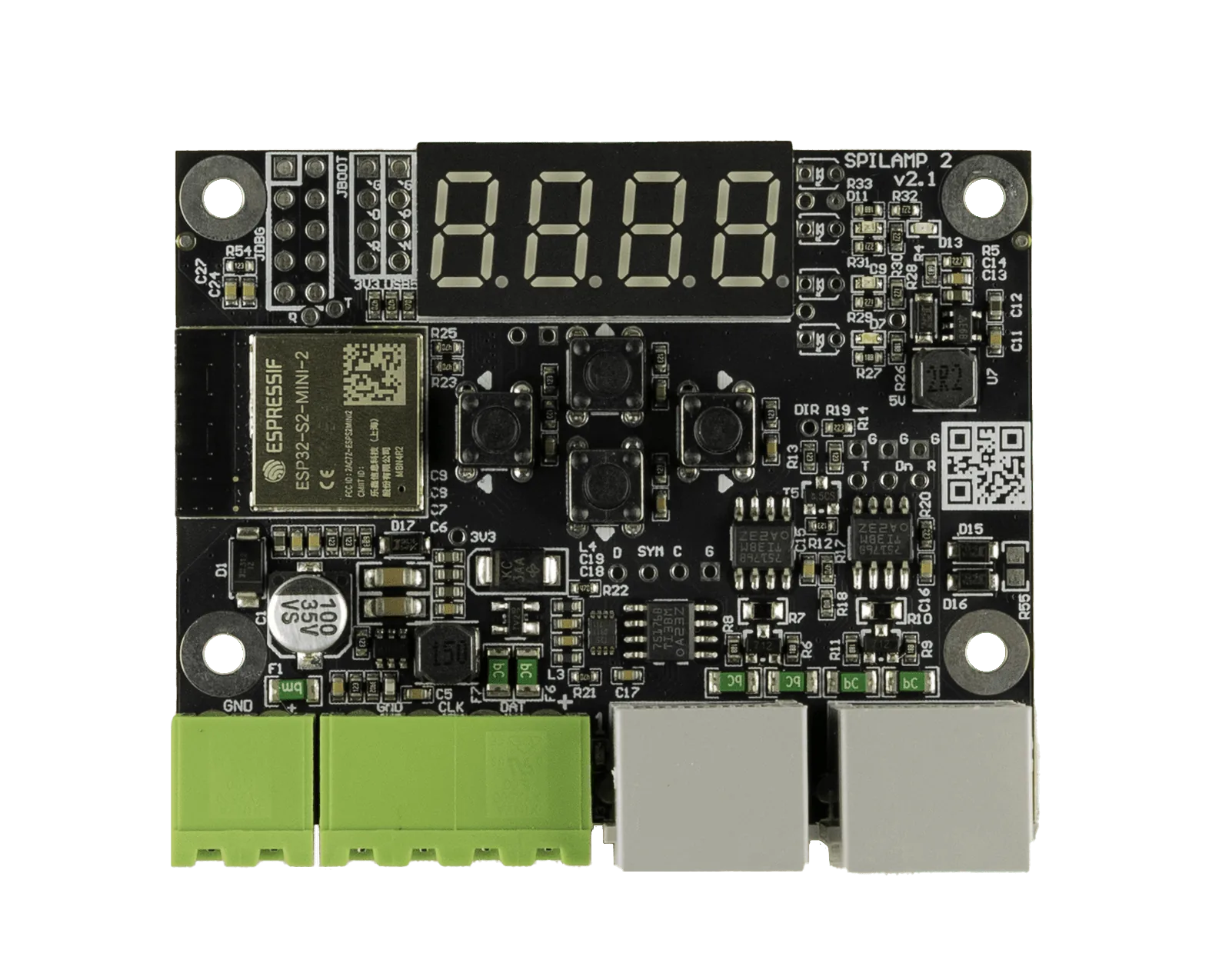
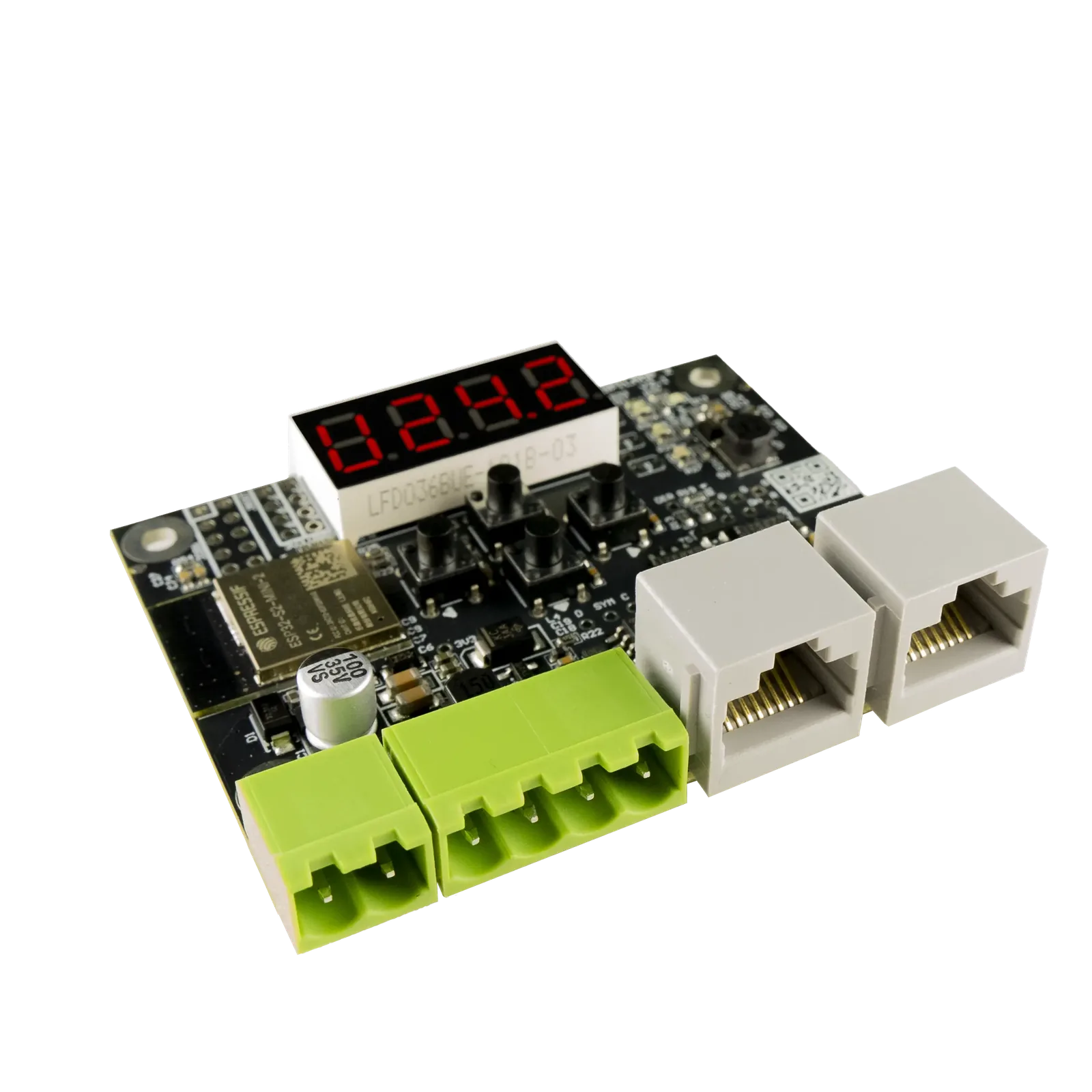
The four-pole output speaks the SPI protocols used by the common LED chips, and it can also generate a real DMX512 signal instead. Which one it sends is a setting, not a different board.
Pixel Protocols
The chips it drives
The default firmware covers the SPI families used by most addressable strip and pixel products, and support for new chips is added over time, which is why keeping firmware current is worth the minute it takes.
The output is single ended TTL at the supply voltage, between 5 and 24 volts, and it carries power alongside the data.
- WS2811, WS2812B, SK6812 and TM1809 among others
- RGB, RGBW and WWA strips
- Single ended TTL output at 5 to 24 volts
- Data and power on the same four-pole terminal
DMX512
Turning the output into DMX
Selecting IC type 16 or 17 makes the same terminal send a real DMX512 signal, RGBW or RGB, rather than a pixel protocol. The pins become DMX minus and DMX plus.
This is what lets one platform feed both addressable LED objects and conventional DMX fixtures in the same installation. Broader DMX support across the range is covered on DMX512 Support.
- IC type 16 for DMX512 RGBW
- IC type 17 for DMX512 RGB
- Same connector, no extra hardware
- Mix pixel objects and DMX fixtures on one system
FAQ
SPI and DMX512 Output questions
WS2811, WS2812B, SK6812, TM1809 and other strips using similar signalling, in RGB, RGBW and WWA. More in Supported Pixel LED Protocols and ICs.
Yes. Setting IC type 16 or 17 makes the four-pole output generate a real DMX512 signal, RGBW or RGB.
No. The same board does both. Only the IC type setting changes.
Planning a Distributed LED Install?
Book a free consultation and we'll work out how many SPI Lamp 2 units your project needs.
Book a Free Consultation →